Guides
A Low Rise Window Cleaning Safety Plan Below 3 m for Ontario and BC Crews
A low-rise window cleaning safety plan for crews working below 3 m in Ontario and BC, with one-page plan sections, stop rules, and examples.
What to take away
- A Canadian window cleaning safety plan starts with a measurable limit: work below 3 m (10 ft) from ladders or step stools for crews of four or fewer.
- The limit rules out rope access, suspended platforms, and exterior work above three storeys.
- Ontario requires Working at Heights training on construction projects, not routine occupied-building cleaning; BC requires a written fall protection plan at 3 m or more where guardrails are absent.
- Stop the ladder-only plan at 3 m, sloped roofs, or public traffic zones; switch to a site-specific fall protection plan.
A Canadian window cleaning safety plan that covers every job collapses under its own length. Start with a hard limit. For a small residential and storefront operator, that limit is four or fewer workers using ladders or step stools below 3 m (10 ft).
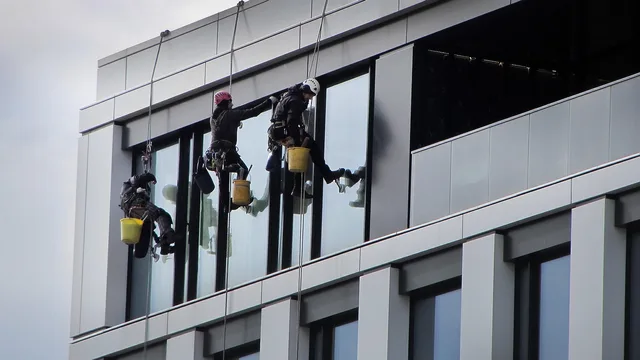
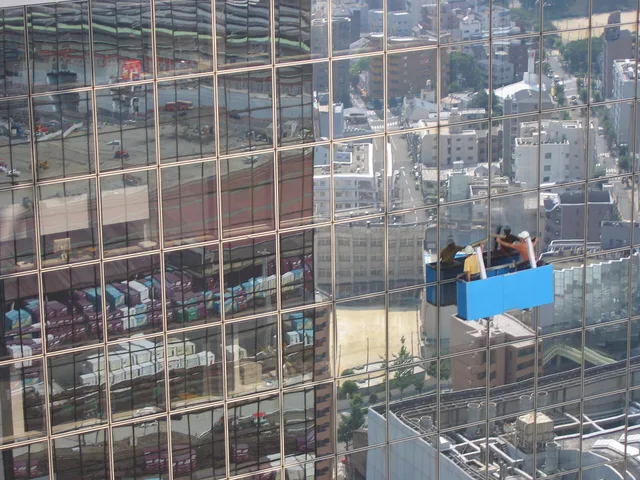
This rules out rope access, swing stages, boom lifts, and work above three stories. It also rules out sloped roofs above a 4:12 pitch and ground that cannot be cleared of pedestrians; those exclusions are the plan.
Ontario draws a line at construction projects. Under Ontario Regulation 213/91, Working at Heights training is mandatory for workers on construction projects who use travel restraint, fall restricting, or fall arrest systems. Routine cleaning in an occupied home or store is not a construction project, so the rule does not apply.
A new build before occupancy is a construction project, so crews need valid training. The Canada business start page lists provincial workplace safety rules, while the OSHA workers page covers general employer duties, not Canadian provincial thresholds.
BC tightens the rule. WorkSafeBC Regulation 11.3 requires a written fall protection plan before work starts if a worker could fall 3 m (10 ft) or more and guardrails are not in use.
A BC window cleaning workplan saying only "use a ladder" fails at 3.2 m. Measure each sill. Many two-story homes have sills at 2.7 to 3.0 m, so measurement decides.
What the constraint removes
The 3 m limit removes suspended access equipment and rope access. Those methods need specific training, certification, and rescue plans. Operators who take those jobs need the rope access standards in CSA Z91 and Z271. The limit also removes the need for a full fall arrest harness and anchor on every job.
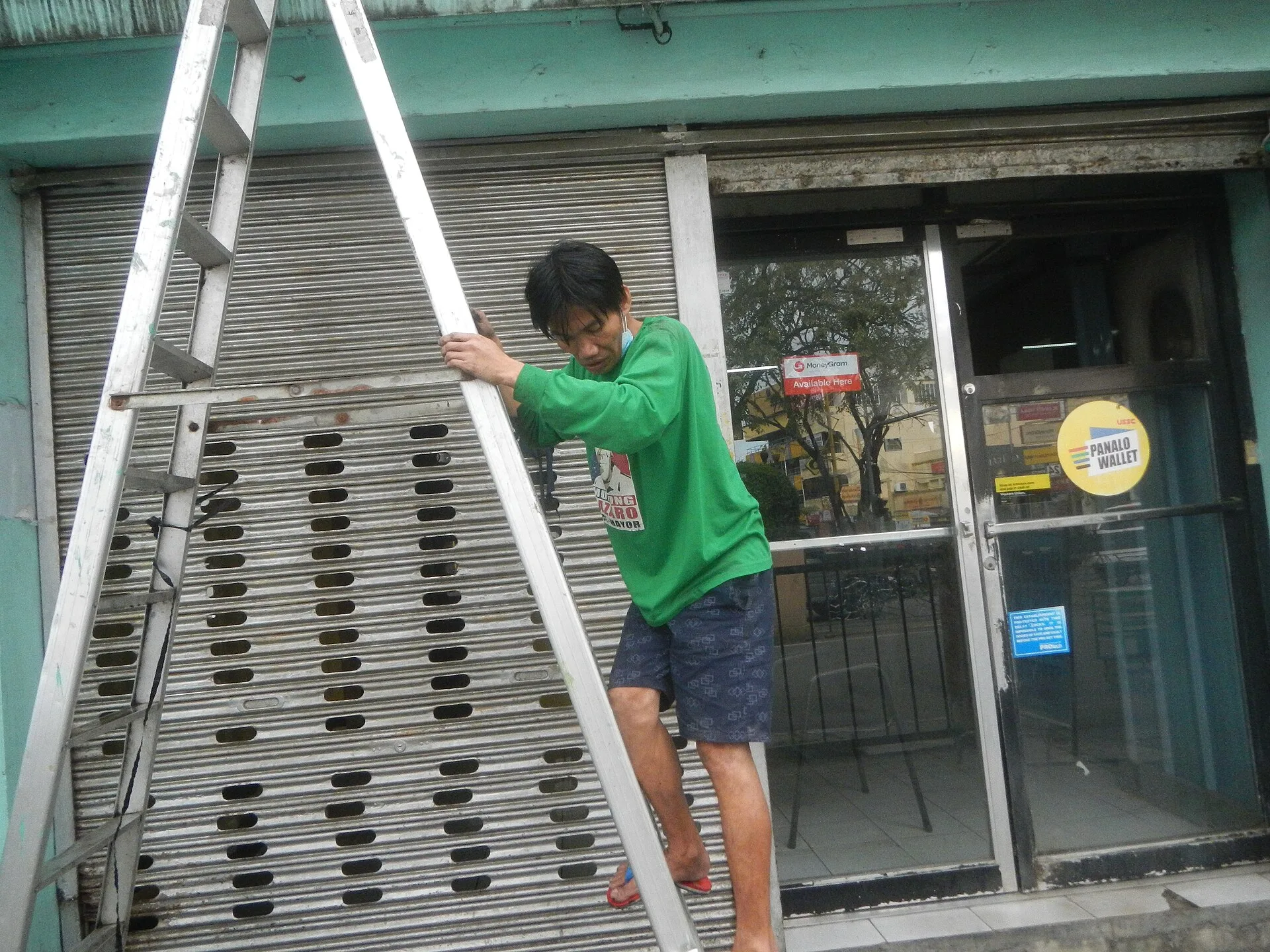
It does not remove ladder inspection, a spotter, or a written emergency contact. A one-page plan can record the building address, highest sill height, ladder type, ground surface, and the person who checks the ladder.
What still works
A one-page plan still works if checked before each job. Use five sections:
Pre-job safety plan checks
- Measure highest sill with tape or laser
- Inspect ladder feet and rungs
- Mark exclusion zone 1 m wider
- Confirm site contact and hospital
- Stop if wind gusts exceed 40 km/h
Measure the highest sill with a tape or laser, then inspect ladder feet and rungs before setup.
Mark an exclusion zone at least 1 m wider than the ladder base and confirm the site contact and nearest hospital phone numbers. Stop work if wind gusts exceed 40 km/h.
The employee training checklist explains which checks a new worker should do under supervision before working alone.
The compromises worth making
Below 3 m, write one plan per route, not one per building. A strip mall route can cover six storefronts when sill heights are close and the ground is level.
Ladder rung limits
Stepladder
- Maximum rung
- Third from top
- Why
- Removes judgement
Extension ladder
- Maximum rung
- Fourth from top
- Why
- More conservative
A written plan that relies on judgement will fail on the third job of a hot day. Hard rules survive.
The compromises that are not worth it
Do not compromise on the exclusion zone. A ladder over a sidewalk with through traffic is not worth the risk or a WorkSafeBC stop-work order. Do not guess a sill height. Guessing turns a yes-no safety question into chance. Do not omit the emergency contact. A plan without a named person to call is a list, not a plan.
When to stop and do it properly
Stop the ladder-only plan at 3 m, a slope greater than 1:12, or a work area that cannot be closed to traffic. At any threshold, write a site-specific fall protection plan. In Ontario, that may mean a supervisor with Working at Heights training on a construction project. In BC, that means Part 11 compliance, including a written rescue procedure. High-rise work adds more obligations; see what Toronto high-rise agreements must cover under WSIB rules.
When to stop ladder-only plan
Height over 3 m?
Write site-specific fall protection plan
Continue ladder-only plan
A site-specific plan is not a longer ladder-only plan. It names the anchor points, fall clearance distance, arrest system, and rescue method. Attach the plan to the service agreement.
Example: two days of low-rise jobs
Day one: a four-person crew cleans a two-storey medical clinic in London, Ontario. Highest sill measured at 2.8 m. Ladder is a Type II extension ladder inspected that morning. Ground is level asphalt. Exclusion zone taped 2 m wide. Plan signed by the lead hand.
Two-day low-rise job examples
Day 1: London, ON
- Crew
- 4-person
- Highest sill
- 2.8 m
- Ladder
- Type II extension
- Ground
- Level asphalt
- Exclusion zone
- 2 m taped
Day 2: Victoria, BC
- Crew
- 2-person
- Highest sill
- 2.6 m
- Ladder
- Step stools
- Ground
- Concrete, 1:20 slope
- Exclusion zone
- Sidewalk closed by cones
The safety plan works because it is attached to the service agreement. The window cleaning contract terms should always include the duty to follow it. In both examples the job stays under the 3 m line, so the ladder-only plan is honest work.