Guides
Window cleaning equipment checklist: the van, packed in job order
A window cleaning equipment checklist packed in job order, from safety kit to detailing tools, with what to leave off and the restock list.
What to take away
- This is a starting kit packed in the order a job runs, not a wish list. Everything on the first lists goes on the van in week one; the rest waits until the work asks for it.
- Buy sizes rather than a size. One channel length fits one kind of pane and fights every other one.
- Consumables are the real spend. Budget rubber, cloths and sleeves as a monthly cost, not a purchase.
- Three items are worth spending on earlyladders you are trained for, eye protection, and a scraper system you understand.
- Get quotes on rubber, cloths and sleeves from a supplier near you, and date them. Those quotes are the figures your pricing has to stand on.
Ladders, poles and blades cause serious injuries and serious property damage. Get competent training for every access method and every tool before it is used on a customer's building.
The van, packed in job order
Pack the van in the order the job uses it: safety and paperwork, reaching the glass, washing, squeegee work, then detailing and scraping. Everything here is used on almost every job, and if you own only this, you can work.
Before you leave: safety and paperwork
- Eye protection, gloves, grip footwear. Chemicals and glass fragments are the two hazards that catch new operators
- First aid kit and a spill plan for anything liquid on the van. A spill in a customer's driveway gets handled before it reaches their drain
- Safety data sheets for every chemical carried, on the van, readable. Whoever uses the chemical needs to be able to find out what it is
- Job sheets or a phone app for notes and before-and-after photographs. A dated photograph is your answer when old damage is blamed on your work
Reaching the glass
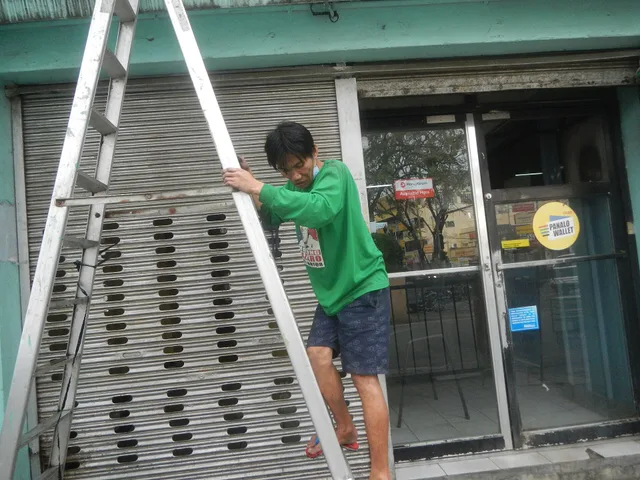
- Ladder rated for the work, with the correct feet and stabilizer. The feet and stabilizer are what stop the top of the ladder walking away from the wall
- A short extension pole for low reach. It covers ground-floor glass and low transoms without moving the ladder
- Bucket-on-a-belt or holster for hand tools. It keeps both hands free while you are up a ladder
- Drop cloths or mats for interior work. Sills, floors and radiators are where a small spill turns into a complaint
Washing
- Two buckets, one for washing and one for tools. Grit in the wash water is what scratches glass, and tools stored in it carry grit to the next pane
- Applicators and T-bars, plus spare sleeves. The sleeve is what holds the soap, and a greasy one streaks every pane after it
- Cleaning solution, decanted into labeled containers. The same mix every time, and no guessing for whoever else drives the van
Squeegee work
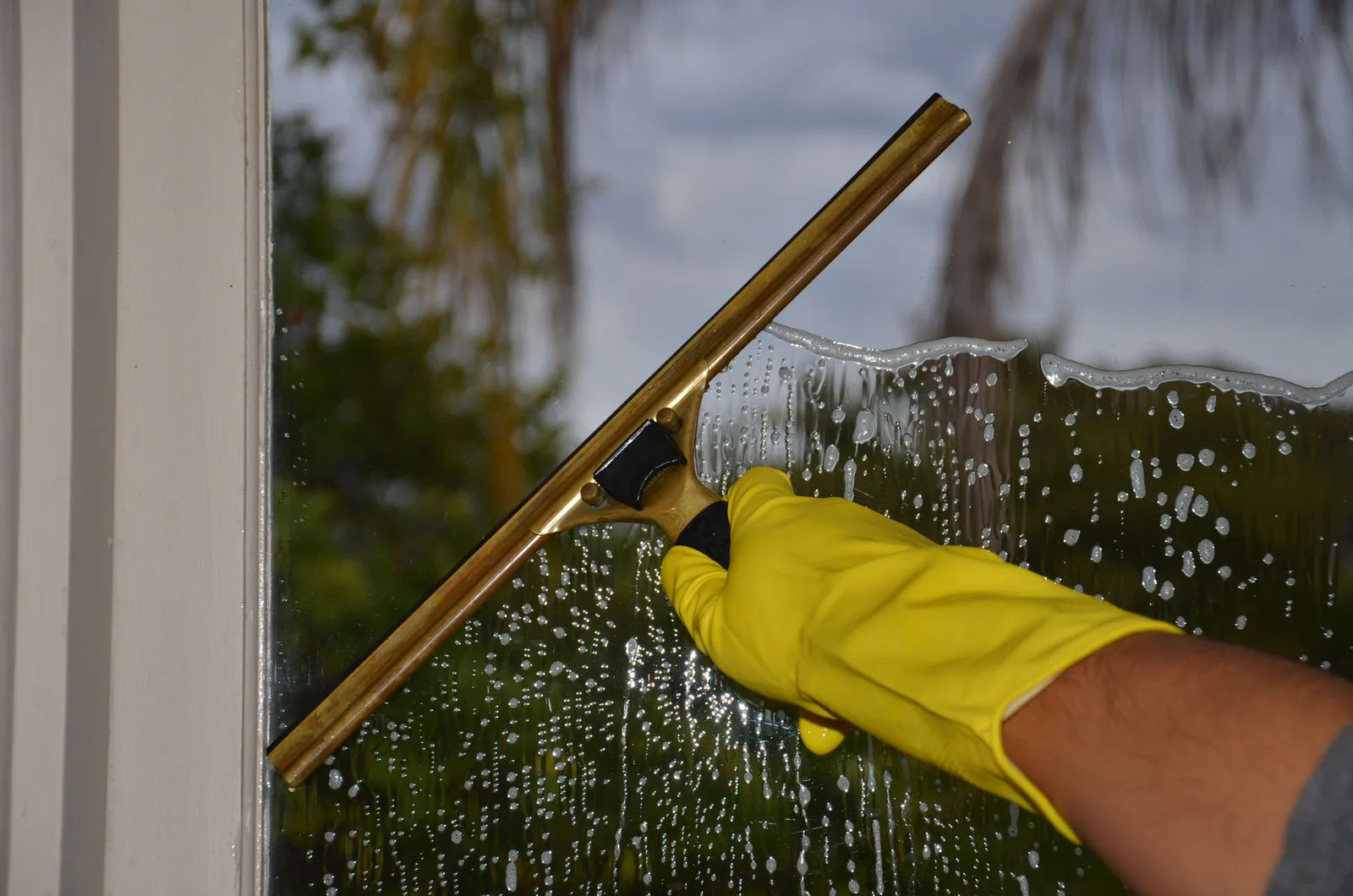
- Squeegee handles, two, so one stays set up on a different channel width instead of being changed over on a ladder
- Channels in at least three lengths. Width decides how many strokes a pane takes, so narrow for frames and divided panes, wide for large glass
- Squeegee rubber, a box rather than a packet. This is the part that wears, and running out mid-job stops the work
Detailing and scraping
- Detailing cloths, and scrim or a lint-free equivalent for edges. A squeegee does not reach frames, sills or the last inch of glass
- Scraper with a proper blade holder, plus new blades and a sealed disposal tin. The holder protects the glass, and the tin is how spent blades leave the van
Two of those are underrated. The photographs, because pre-existing scratched glass is discovered on the day you cleaned it. And the labeled containers, because an unlabeled bottle is a problem the first time somebody else drives the van.
What can wait, and what to skip
Do not buy these in month one.
What can wait
- A pure-water pole system. Wait until you can count the jobs that need it and know your own water quality.
- A vehicle tank and pump. This follows the pole system, not the other way around.
- A second full kit. Buy it when a second person exists, not in anticipation of one.
- Specialty restoration equipment. Buy it for a job you have already been asked to quote.
- Anything requiring a lift. Rent, and price the rental into that job.
- Branded clothing beyond one set. Useful, but it cleans no glass.
Skip entirely, until proven otherwise: any tool whose demonstration video is more impressive than the explanation of what it replaces.
The three worth spending on
Ladders. Buy the right class for the work. That is the duty rating marked on the ladder's own label, chosen for the heaviest person and load it will carry rather than for the lowest shelf price. Keep them inspected on a written schedule, and record the inspections.
The fall protection guidance from the Occupational Safety and Health Administration treats protection as planned rather than improvised, and a ladder that lives on a maintenance record is part of that plan.
Eye protection and gloves. Cheap, and the injuries they prevent are not. Cleaning chemicals and glass fragments are the two hazards that catch new operators, and the cleaning industry hazard material from the Occupational Safety and Health Administration sets out what the trade is actually exposed to.
A scraper system you understand. Blade holder, blade quality, and the discipline of a fresh blade and a wet surface. More permanent glass damage comes from this one tool than from everything else on the van combined.
Setting the kit up so it stays usable
An inventory that lives in a heap costs time on every job. Three habits fix it. Give every item a fixed home in the van and load in the order the job needs.
Run a restock check on the same day each week rather than when something runs out. And keep a small sealed spares box that is opened only when something fails on site, then replenished the same week.
These sit inside the written safety and maintenance program described in the safety and health program guidance from the Occupational Safety and Health Administration. That guidance is worth reading even at one van. Writing it down at one van is far easier than writing it down at four.
The restock list
These run out. Track them monthly and you will have your own consumable cost within a quarter.
- Squeegee rubberthe fastest wear on the van, and the first thing that shows as streaks
- Applicator sleevesthey go greasy long before they look worn
- Detailing cloths and scrimreplaced when washing stops stopping the lint
- Scraper bladesa dull blade is what damages glass, so they get changed before they feel blunt
- Cleaning solutionbuy by the case once you know your monthly draw
- Glovessplit cuffs and thin fingertips
- Bin liners and blade disposal tinsa safety item, not a housekeeping detail
- Job sheets or printer suppliesthe record only helps if it exists the day the question comes
A useful test at the end of month three: if you cannot say roughly how much these cost per working day, the pricing you built is missing a line.
Where the checklist connects
This list is the minimum. The reasoning behind each choice, including which system suits which building, sits in the equipment and setup guide, and the buy-or-buy-used question for the larger items is worked through in new versus used equipment.
Some equipment changes what your insurer and your local authority expect from you, so check it against the licensing and compliance requirements that apply where you work.
Every tool on the list needs somebody trained on it, which is the job of a structured training checklist rather than of a busy Tuesday.
Common questions
Short answers to the questions that come up before the first van is loaded.
How much kit do I need to start on a storefront route?
The week-one list, plus a short pole. Companies routinely start with less and buy the gaps in the first month, which is a reasonable approach as long as safety items are never the gap.
Should I buy a starter bundle from a supplier?
Read what is in it against the list above. Bundles usually include one channel length and a quantity of consumables that runs out fast. They are convenient rather than optimal.
How often should ladders be inspected?
On a written schedule you set and keep, and after any incident or heavy transport. The record matters as much as the inspection, because a record is what you can show.
What is the first upgrade most owners make?
A better pole and a pure-water system, usually after turning down a job that needed reach. The second is a van layout that stops the daily hunt for tools.